In today’s competitive landscape, businesses must harness the power of digital marketing tools to elevate their strategies. These tools offer critical insights and facilitate effective communication, ultimately enhancing customer relationships. By analyzing performance metrics, companies can adapt their approaches and drive tangible results. As the digital marketing arena continues to evolve, understanding which tools to implement becomes crucial for sustained growth. What are the key tools that can transform marketing efforts?
Top 10 Digital Marketing Tools for Business Growth
In the ever-evolving landscape of digital marketing, a select group of tools stands out for their ability to drive significant business growth.
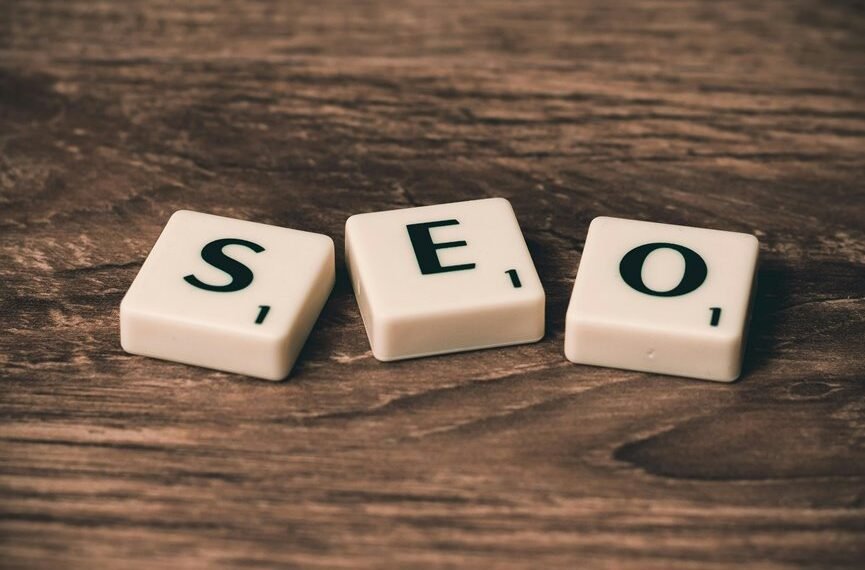
Social media platforms, email marketing, and content creation tools enhance customer relationships. SEO optimization and PPC advertising improve visibility, while automation software streamlines processes.
Influencer marketing and analytics platforms refine brand management, creating a cohesive strategy that empowers businesses to thrive.
How to Choose the Right Marketing Tools for Your Needs?
Selecting the right marketing tools is pivotal for businesses aiming to optimize their digital strategies.
Effective tool selection requires a thorough assessment of specific needs and goals, alongside budget considerations.
Engage Your Audience With These Essential Tools
Engaging an audience requires a strategic approach that leverages essential tools designed to foster interaction and connection.
By utilizing innovative platforms for content engagement, marketers can enhance audience interaction, creating immersive experiences that resonate.
These tools empower brands to communicate authentically, encouraging dialogue and participation, ultimately nurturing a loyal community.
Embracing this freedom to connect transforms marketing efforts into meaningful relationships that drive success.
Measuring Success With Analytics Tools for Your Marketing Strategy
Effective audience engagement sets the stage for measuring the impact of marketing initiatives, enabling brands to refine their strategies based on real data.
By employing analytics tools that emphasize data visualization, marketers can clearly interpret performance metrics, identifying trends and insights.
This empowers brands to adapt their approaches, ultimately fostering a sense of freedom in creativity while driving tangible results.
Conclusion
In the ever-evolving landscape of digital marketing, the right tools serve as a compass, guiding businesses through uncharted waters toward growth and success. By embracing these innovative solutions, companies can transform their marketing strategies into powerful engines of engagement and performance. Just as a skilled conductor harmonizes an orchestra, integrating these tools creates a symphony of communication and analytics, ensuring that brands not only survive but thrive amidst the cacophony of the digital marketplace.